
Find Gold Ore Faster With Proven Identification Techniques
Gold prospecting can be an exciting and rewarding adventure, especially when you are equipped with the right knowledge to identify gold ore quickly and effectively. Many beginners and even some seasoned rock hounds spend countless hours searching in the wrong places simply because they lack reliable identification techniques. Fortunately, by learning to recognize the signs of gold-bearing rocks and understanding how gold is typically formed in nature, you can drastically improve your chances of striking it rich. One of the first proven techniques understands the types of geological environments where gold is most commonly found. Gold is typically associated with quartz veins in metamorphic and igneous rocks. Therefore, areas with exposed quartz outcrops, particularly those with visible veins running through them, should be thoroughly examined. Another helpful identification method involves the color and texture of the rock. Gold ore often appears in oxidized zones, where iron minerals have weathered over time to form rusty-looking rocks. These iron-stained rocks, especially when found near quartz or sulfide-rich zones, may indicate the presence of gold. Learning to distinguish these signs through field observation is a critical skill.
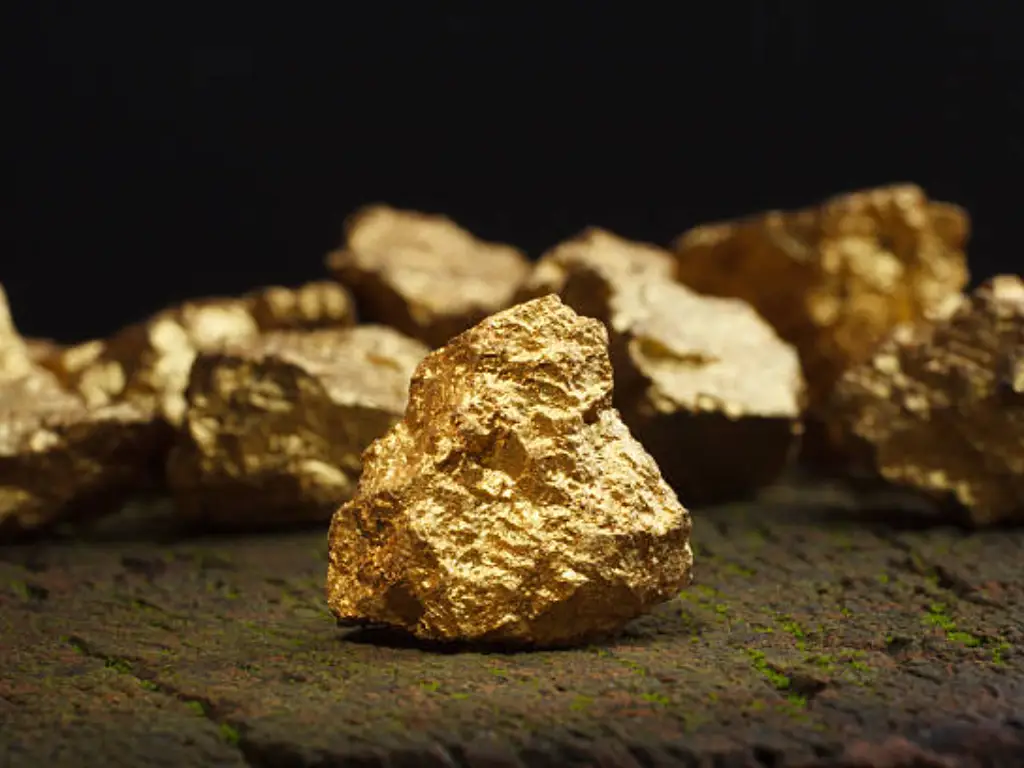
Learning how to identify gold ore effectively involves using a variety of tools and tests in the field. In addition, using a hand lens or loupe to closely inspect rock surfaces can reveal tiny visible flecks of gold embedded in the matrix, although this is rare and usually only occurs with high-grade ore. Gold itself is heavy and malleable; when found in its natural form; it will not break apart like fool’s gold pyrite and is noticeably dense. Field testing is another key element in identifying gold ore. A magnet test can help eliminate iron-rich rocks, while a scratch test on a ceramic plate can help distinguish gold from look-alikes like chalcopyrite or pyrite. Real gold will leave a golden-yellow streak, while other minerals will produce black, green, or gray streaks. Moreover, simple acid tests with nitric acid can further confirm if a sample contains real gold. Gold is non-reactive and will not dissolve in nitric acid, unlike other metals. These basic tools are portable and relatively inexpensive, making them ideal for field prospectors looking to assess potential finds on the spot.
Location research also plays a vital role in speeding up gold ore identification. Consulting historical mining maps, geological surveys, and old mine records can point you to regions known for previous gold activity. Public lands in gold-bearing regions are often open to prospecting with the proper permissions. By narrowing your search to high-probability zones and combining that with proven field identification techniques, you can maximize your efficiency and success rate. Using reliable exploration equipment from JXSC can further streamline your process, allowing for more accurate and efficient fieldwork. Prospecting is as much about strategy as it is about persistence. In conclusion, finding gold ore faster requires a combination of geological knowledge, visual and physical identification techniques, and proper research. By understanding rock types, using simple tools, and recognizing the telltale signs of gold in nature, you significantly increase your odds of uncovering valuable deposits.