
In today’s rapidly advancing industrial world, efficiency and precision are key to managing complex supply chain operations. High-performance logistics automation platforms have become essential in optimizing workflows, improving accuracy, and boosting productivity. These intelligent systems bring together robotics, artificial intelligence, and data-driven management tools to simplify operations, ensuring seamless performance from storage to shipment.
Transforming Logistics Through Intelligent Automation
Automation has redefined how logistics processes function by replacing manual tasks with intelligent, self-learning systems. High-performance logistics automation platforms enable smarter coordination between people, machines, and data for unmatched operational excellence.
- Smart Process Integration: Combines various logistics functions into one streamlined system.
- Data-Driven Insights: Uses real-time analytics to enhance decision-making.
- Automated Coordination: Synchronizes inventory, transportation, and order management.
By reducing manual effort and increasing responsiveness, automation helps organizations achieve speed, precision, and scalability across their logistics networks.
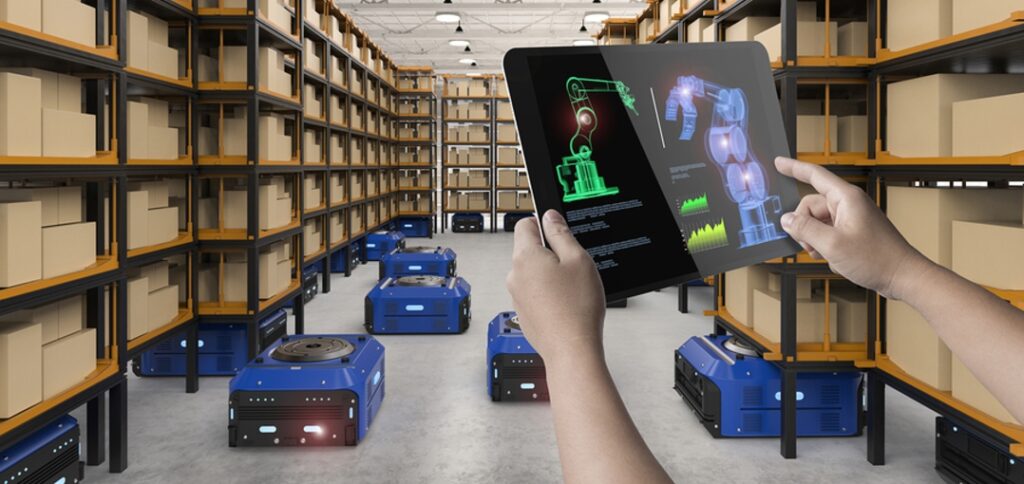
Key Advantages of Logistics Automation Platforms
High-performance logistics automation platforms deliver tangible benefits across the supply chain automation, improving both efficiency and reliability. They help organizations meet growing demands while maintaining consistency and quality.
- Improved Accuracy: Minimizes human error through automated data collection and validation.
- Higher Productivity: Enhances throughput with real-time coordination and optimized resource allocation.
- Enhanced Visibility: Offers complete transparency across all logistics stages.
- Reduced Operational Costs: Lowers manual labor and maintenance expenses through intelligent automation.
These advantages contribute to smoother workflows, faster delivery times, and greater overall customer satisfaction.
Enhancing Flexibility and Scalability in Operations
As supply chains continue to evolve, flexibility and scalability have become essential for long-term success. Logistics automation platforms are designed to adapt to changing business needs and market fluctuations with ease.
- Scalable Architecture: Expands capabilities without major infrastructure changes.
- Adaptive Technology: Adjusts to new product lines, volumes, and workflow patterns.
- Seamless Integration: Connects effortlessly with existing enterprise resource planning systems.
- Real-Time Synchronization: Ensures coordination between warehouses, fleets, and distribution centers.
This adaptability allows organizations to respond quickly to market demands and sustain performance as operations grow in scale and complexity.
Driving Sustainability and Innovation in Logistics
Modern logistics automation platforms are not just about speed and efficiency they also support sustainability and innovation. By optimizing resource usage and reducing waste, they help build greener, smarter logistics ecosystems.
- Energy Efficiency: Minimizes power consumption through intelligent system control.
- Optimized Routing: Reduces transportation emissions and travel times.
- Predictive Maintenance: Extends equipment life and prevents unnecessary downtime.
- Sustainable Planning: Promotes eco-friendly practices through smarter material management.
These advancements ensure that logistics automation contributes to long-term environmental and operational sustainability.
Conclusion: Streamlining Success With Smart Logistics Automation
High-performance logistics automation platforms are transforming the way industries manage complex operations. They simplify workflows, enhance precision, and drive innovation across the supply chain. By embracing these intelligent systems, businesses can achieve greater control, flexibility, and sustainability ensuring that every operation runs with speed, accuracy, and confidence. The future of logistics lies in automation that not only simplifies processes but also empowers global efficiency and growth.